Top of its class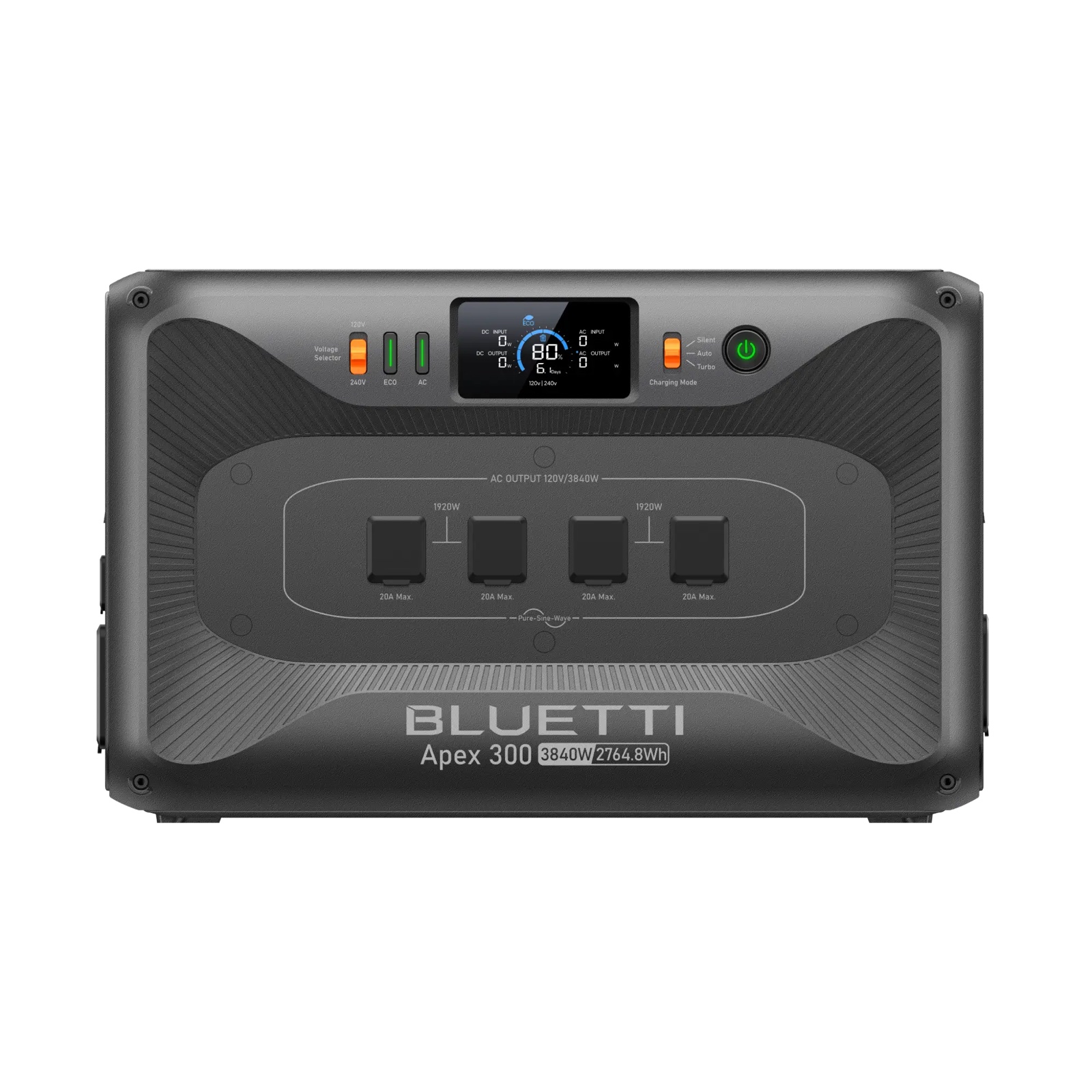
 8.4/10
Apex 300 BLUETTI Apex 300
2,764.8 WhCapacity3,840 WAC output83.8 lb (38.0 kg)WeightNo breakUPS switchover
The strongest set of published figures among two kilowatt hour units: output, cycle life and switchover together.
Every capacity, output figure and cycle rating on this site is read from the manufacturer's own specification page and stored once, in one registry. No hands-on tests are claimed, no scores are invented, and where a maker does not publish a number, the page says so instead of guessing.
PowerStationFacts takes part in the Amazon Services LLC Associates Program. When you buy through a link on this page we may earn a commission, and the price you pay does not change.
8.4/10The strongest set of published figures among two kilowatt hour units: output, cycle life and switchover together.
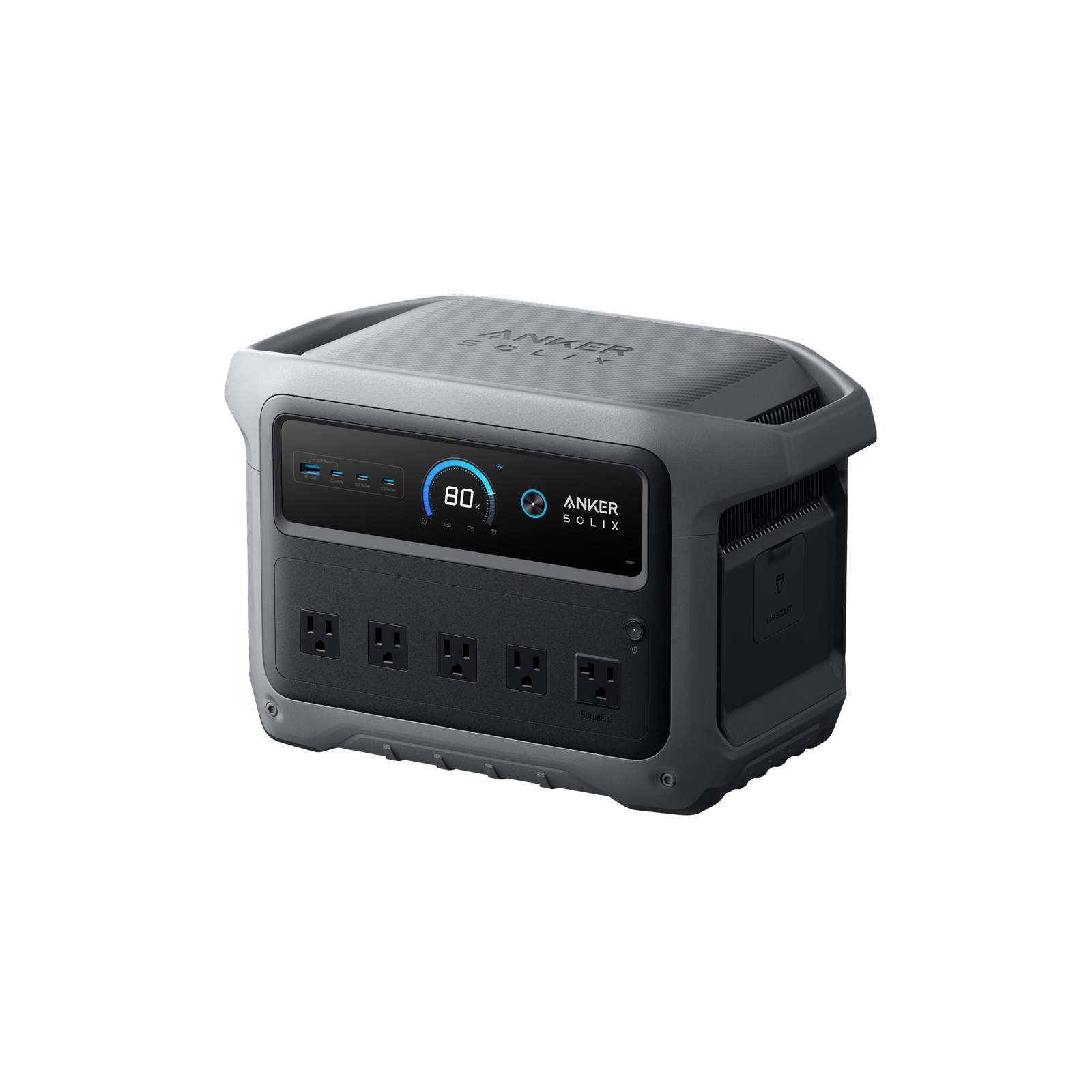
 7.0/10
Tops the kilowatt hour class on the numbers, and switches over fast enough to carry a desktop through a cut.
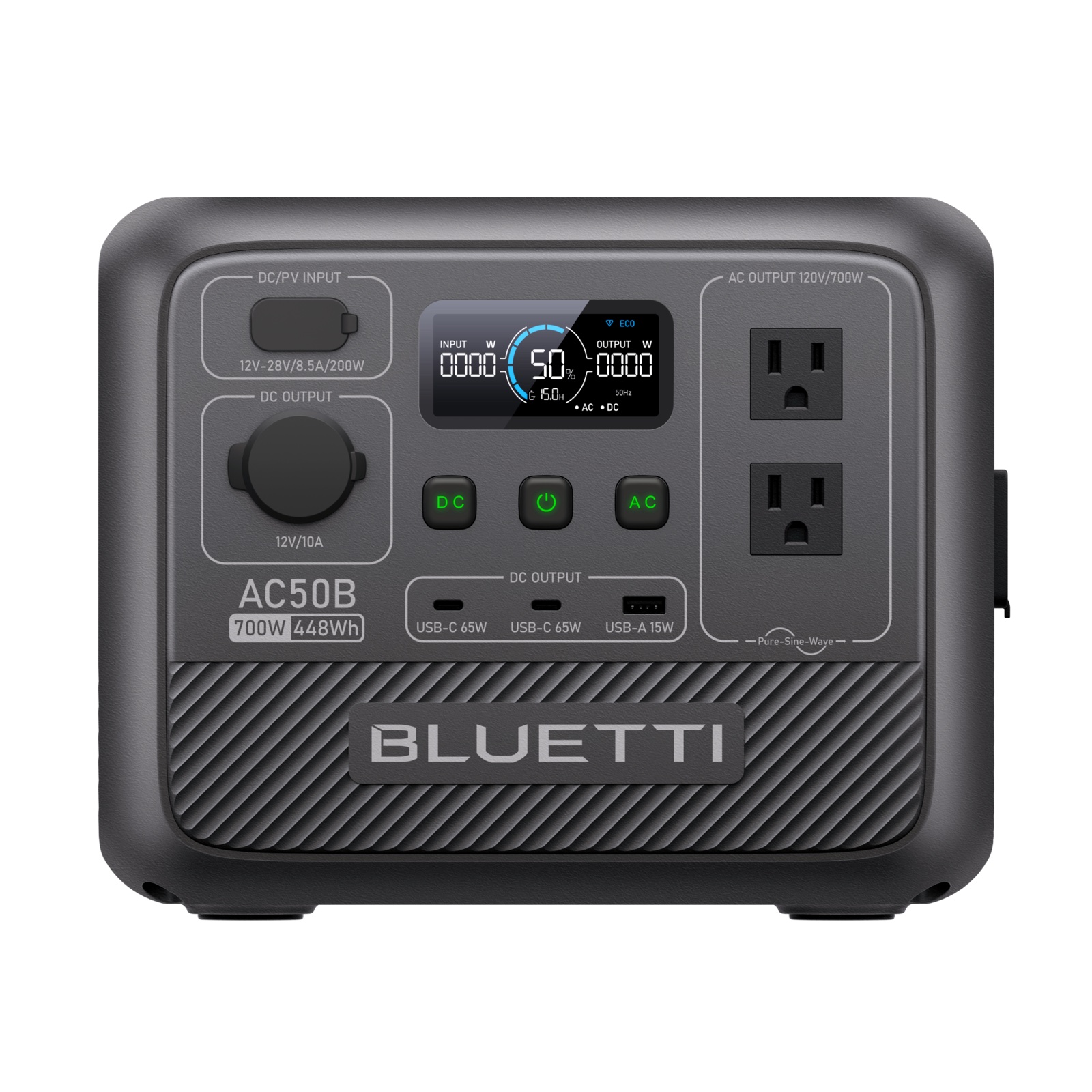 5.0/10
The strongest small unit with real AC output, not USB alone. Light enough to take on foot.


Four brands, one registry. Every capacity, output and cycle rating on this site is read from the maker's own specification page.
Ranked by the score described on the method page, which is calculated from published specifications rather than opinion. Capacity tells you how long a unit runs something; continuous output tells you what it can run at all. A large battery behind a small inverter will not start your appliance, however many watt hours it holds.
| # | Brand | Model | Score | Capacity | AC output | Weight | Actions |
|---|---|---|---|---|---|---|---|
| 1 | | EcoFlow DELTA Pro 3 | 8.8/10 | 4,096 Wh | 4,000 W | 113.5 lb (51.5 kg) | Check price |
| 2 | | BLUETTI Apex 300 | 8.4/10 | 2,764.8 Wh | 3,840 W | 83.8 lb (38.0 kg) | Check price |
| 3 | | Anker SOLIX F3800 | 8.1/10 | 3,840 Wh | 6,000 W | 132.3 lb (60.0 kg) | Check price |
| 4 | | Anker SOLIX C2000 Gen 2 | 7.8/10 | 2,048 Wh | 2,400 W | 41.7 lb (18.9 kg) | Check price |
| 5 | | BLUETTI Elite 200 V2 | 7.7/10 | 2,073.6 Wh | 2,600 W | 53.4 lb (24.2 kg) | Check price |
| 6 | | EcoFlow DELTA 3 Max | 7.7/10 | 2,048 Wh | 2,400 W | 44.8 lb (20.3 kg) | Check price |
| 7 | | EcoFlow DELTA 3 Max Plus | 7.7/10 | 2,048 Wh | 3,000 W | 48.7 lb (22.1 kg) | Check price |
| 8 | | Jackery Explorer 2000 v2 | 7.5/10 | 2,042 Wh | 2,200 W | 39.5 lb (17.9 kg) | Check price |
| 9 | | EcoFlow DELTA 2 Max | 7.2/10 | 2,048 Wh | 2,400 W | 50.0 lb (23.0 kg) | Check price |
| 10 | | Anker SOLIX C1000 Gen 2 | 7.0/10 | 1,024 Wh | 2,000 W | 24.9 lb (11.3 kg) | Check price |
| 11 | | Anker SOLIX F2000 (PowerHouse 767) | 6.9/10 | 2,048 Wh | 2,400 W | 67.2 lb (30.5 kg) | Check price |
| 12 | | BLUETTI AC180P | 6.9/10 | 1,440 Wh | 1,800 W | 35.3 lb (16.0 kg) | Check price |
| 13 | | BLUETTI Elite 100 V2 | 6.8/10 | 1,024 Wh | 1,800 W | 25.0 lb (11.5 kg) | Check price |
| 14 | | BLUETTI AC200L | 6.8/10 | 2,048 Wh | 2,400 W | 62.4 lb (28.3 kg) | Check price |
| 15 | | EcoFlow DELTA 3 | 6.7/10 | 1,024 Wh | 1,800 W | 27.6 lb (12.5 kg) | Check price |
| 16 | | EcoFlow DELTA 3 Plus | 6.7/10 | 1,024 Wh | 1,800 W | 27.6 lb (12.5 kg) | Check price |
| 17 | | Jackery Explorer 1000 v2 | 6.6/10 | 1,070 Wh | 1,500 W | 23.8 lb (10.8 kg) | Check price |
| 18 | | Anker SOLIX C1000 | 6.5/10 | 1,056 Wh | 1,800 W | 28.4 lb (12.9 kg) | Check price |
| 19 | | BLUETTI AC180 | 6.5/10 | 1,152 Wh | 1,800 W | 35.3 lb (16.0 kg) | Check price |
| 20 | | EcoFlow DELTA 3 Classic | 6.5/10 | 1,024 Wh | 1,800 W | 26.6 lb (12.1 kg) | Check price |
| 21 | | EcoFlow DELTA 2 | 6.4/10 | 1,024 Wh | 1,800 W | 27.0 lb (12.0 kg) | Check price |
| 22 | | BLUETTI AC70P | 6.2/10 | 864 Wh | 1,000 W | 22.5 lb (10.2 kg) | Check price |
| 23 | | Anker SOLIX C300 DC | 5.9/10 | 288 Wh | Not published | 6.2 lb (2.8 kg) | Check price |
| 24 | | BLUETTI AC70 | 5.9/10 | 768 Wh | 1,000 W | 22.5 lb (10.2 kg) | Check price |
| 25 | | Anker SOLIX C200 DC | 5.3/10 | 192 Wh | Not published | 4.2 lb (1.9 kg) | Check price |
| 26 | | EcoFlow RIVER 2 Max | 5.3/10 | 512 Wh | 500 W | 13.4 lb (6.1 kg) | Check price |
| 27 | | BLUETTI AC50P | 5.2/10 | 504 Wh | 700 W | 15.1 lb (6.9 kg) | Check price |
| 28 | | BLUETTI AC50B | 5.0/10 | 448 Wh | 700 W | 14.8 lb (6.7 kg) | Check price |
| 29 | | Jackery Explorer 1000 | 4.9/10 | 1,002 Wh | 1,000 W | 22.0 lb (10.0 kg) | Check price |
| 30 | | Anker SOLIX C300 | 4.7/10 | 288 Wh | 300 W | 9.1 lb (4.1 kg) | Check price |
| 31 | | EcoFlow RIVER 3 Plus | 4.4/10 | 286 Wh | 600 W | 10.4 lb (4.7 kg) | Check price |
| 32 | | EcoFlow RIVER 2 | 4.3/10 | 256 Wh | 300 W | 7.8 lb (3.5 kg) | Check price |
| 33 | | EcoFlow RIVER 3 | 3.9/10 | 245 Wh | 300 W | 7.7 lb (3.5 kg) | Check price |
| 34 | | Jackery Explorer 300 | 3.4/10 | 293 Wh | 300 W | 7.1 lb (3.2 kg) | Check price |
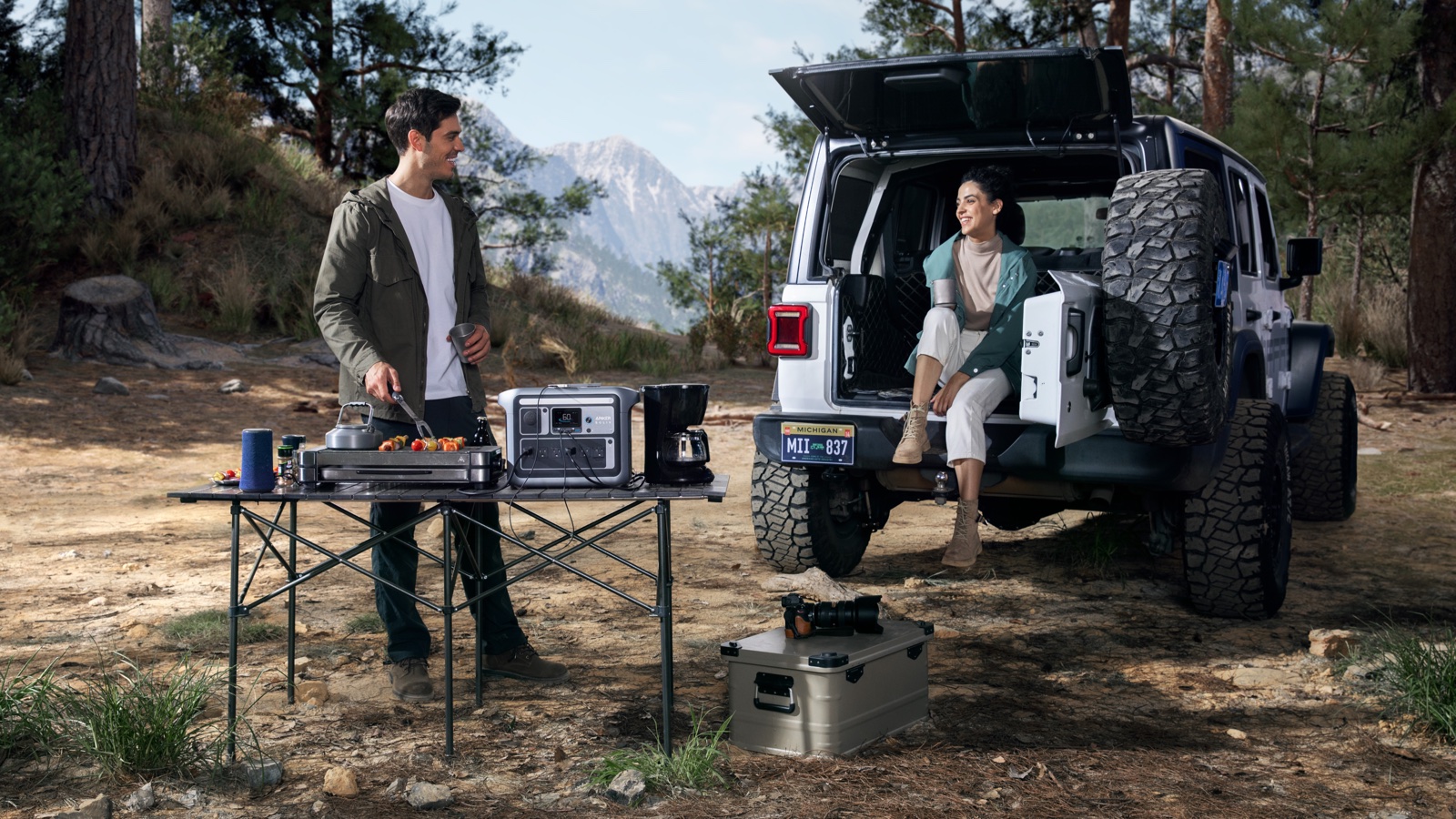
Four situations these units are bought for. A weekend away from a socket, a van that needs mains power, an outage that lasts longer than the phone battery, and a panel array that has to refill the pack before the sun goes down. Each one asks a different question of the same specifications.

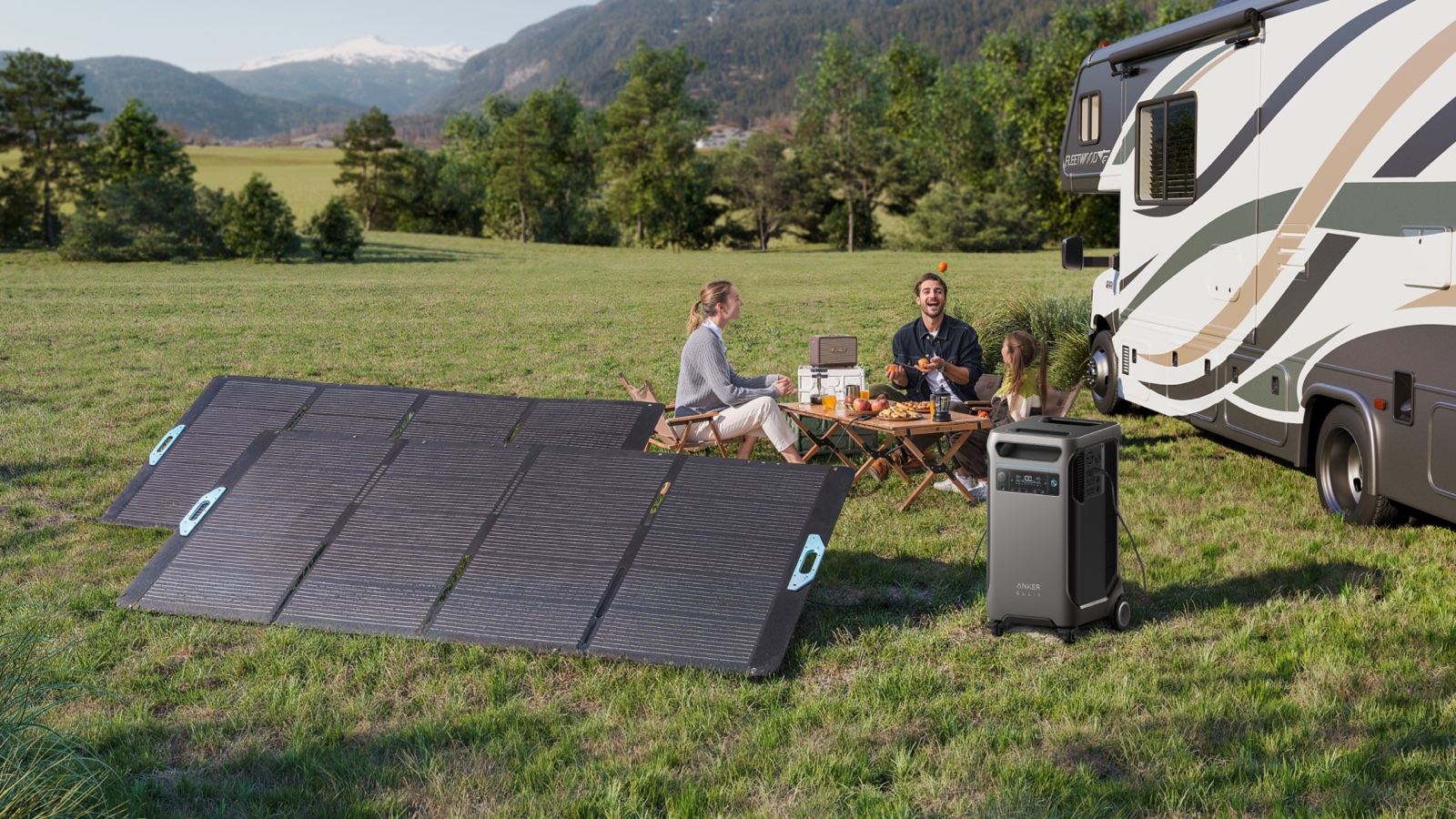
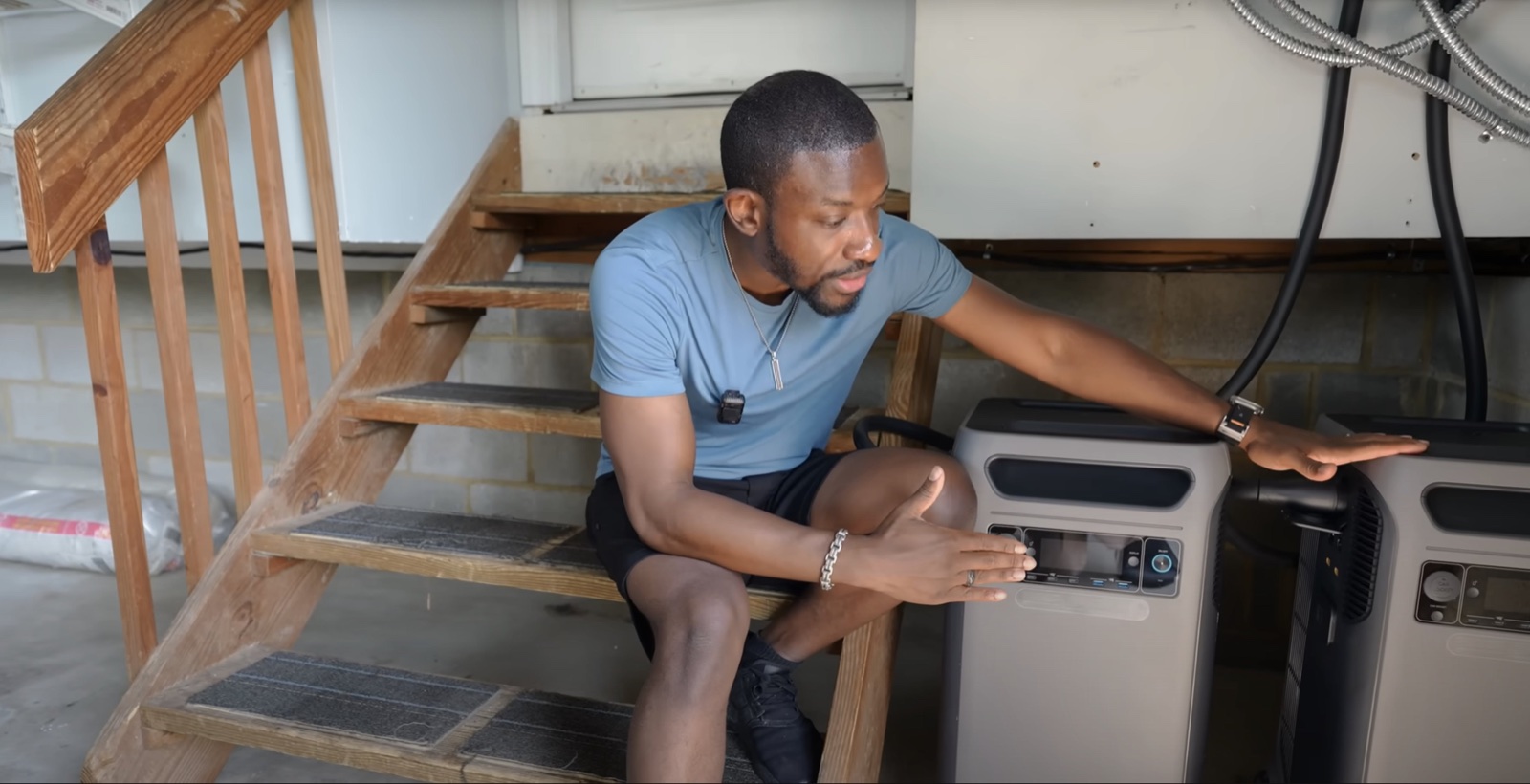
Most runtime claims quietly assume two things: that the inverter loses nothing turning stored DC into mains AC, and that your appliance draws its rated power continuously. Neither is true, and on anything with a compressor the second assumption changes the answer more than the battery size does.
The run time calculator puts both assumptions on screen and lets you move them, so you can see how much of the answer is arithmetic and how much is guesswork.
Cycle life is meaningless without its endpoint. A unit rated for 4,000 cycles to 70% of original capacity and one rated for 4,000 cycles to 80% are not making the same promise, and the makers here do not all use the same endpoint. Wherever this site quotes a cycle figure, the endpoint comes with it.
Surge ratings are not one measurement. BLUETTI's Lifting Power and EcoFlow's X-Boost run appliances above the rated output by lowering voltage, which suits a kettle or a heater but not a motor or a computer. A conventional surge rating means something different: a brief tolerance for start-up current. Comparing one against the other as if they were the same number is how people end up with a unit that will not start their fridge.
Headline charging times often combine inputs. A figure that looks dramatically faster than a rival's sometimes assumes mains and solar feeding the unit at once. This site quotes the mains-only time, because that is the situation most owners are in.
No prices. Showing one means committing to keeping it current, and a stale price is worse than none, so every unit links to its Amazon listing where the live figure is. No test results either: these units were not bought, opened or measured, and the about page says so plainly. What this site does is read the specifications carefully and explain which differences actually decide a purchase.